Genté · Grande Champagne Homéospirits
No. I — Published by2026
Holon · Our local area

A vibrant place,
from vine to bottle.

In Genté, Homéospirits cultivates its vines and crafts its products in the same place. *Le Holon* tells the story of this production site: its soil, its seasons and its processes.

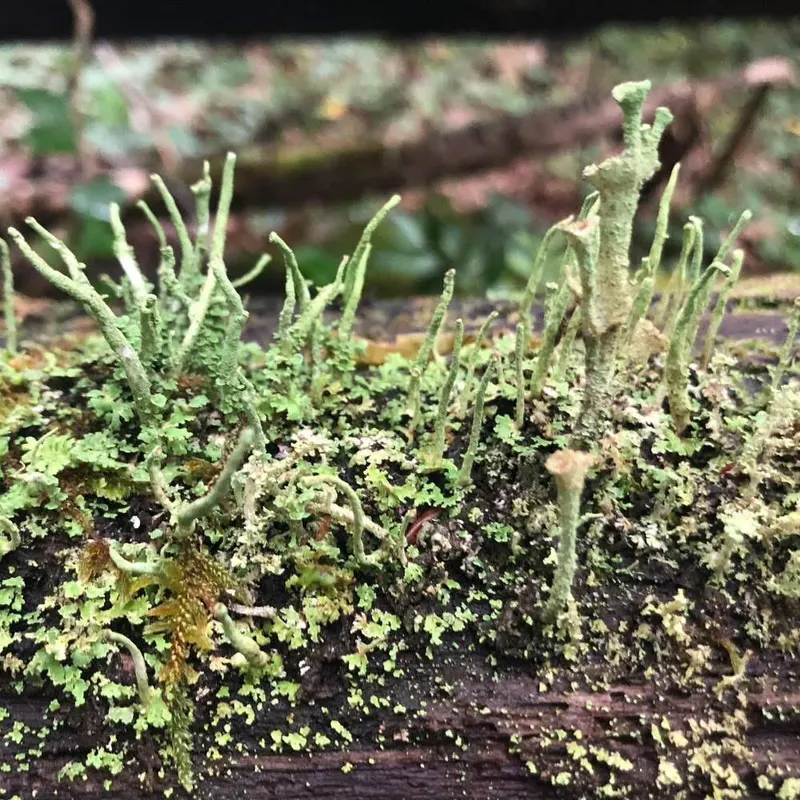
Macro · Cladonia lichen — living wood
Close-up of a Cladonia lichen on decaying wood, in Holon
Pl. I · Specimen 4× macro
Living Geology

The essence of the place.

Here, the layers of soil already point the way: limestone, clay, organic matter and micro-organisms. We interpret this soil structure so that we can farm gently, whilst respecting natural processes.

HumusMicro-organismsCampanian limestone
Our signature

Let the terroir speak for itself.

With no pesticides or synthetic fertilisers, nothing masks the character of the soil. In the glass, you find exactly what the land has produced: the chalk, the climate, the grapes.

“That’s our hallmark: a Cognac that is a true reflection of its terroir.”

The premier crus of Cognac

Two terroirs, the same chalk.

Our vines are rooted in Grande Champagne, the premier cru of Cognac. Its chalk interacts with that of neighbouring Petite Champagne: two chalky soils, two complementary characteristics.

Our vintage, in Genté · Grande Champagne

The premier cru of Cognac: the epitome of absolute elegance.

The ground
Soft, porous white Campanian chalk (~75 million years old), a true natural sponge.
The origin
A warm, shallow marine deposit; fine sediments rich in microscopic fossils.
By the glass
Unrivalled finesse, an intense fruity and floral profile (vine blossom, rose, lime blossom), and a full-bodied finish that improves with age. A terroir of absolute elegance.
The neighbouring, complementary appellation · Petite Champagne

The second cru: the floral signature of the blends.

The ground
Santonian chalk, which is more compact; it contains more limestone and clay, which alters the dynamics of the vineyard.
The origin
Slightly older soils, which allow the berries to ripen a little more quickly.
By the glass
Floral delicacy, white flowers, an airy lightness and rounded fruitiness. A wine of finesse, which lends its signature floral character to the blends.
A regulator between the cellar and the grapes

Limestone is not just a component of the soil: it is a biological interface that ensures the quality of our spirits.

01 · The natural sponge
Chalk, which is extremely porous, absorbs water from heavy rainfall and stores it. During summer droughts, the vines draw on this reserve through capillary action and are never subjected to sudden stress: the grapes ripen gradually, preserving the precursors of their aromas.
02 · ‘Healthy’ stress
By its very nature, limestone soil places constraints on the vine. ‘Restricted’ in this way, it focuses its energy on the ripening of the berries rather than on the foliage — hence the depth and body found in our Cognacs.
Local roots

Our lands in Charente.

A terroir is not just the soil: it is a story. The story of Genté, our village, and the heart of the nearby Petite Champagne region.

Genté · 16130 · Grande Champagne

Genté, a town with a history stretching back a thousand years

Our municipality has been inhabited since prehistoric times: the hill at Jette Feu bears traces of a Neolithic settlement, and recent excavations there have uncovered an Early Medieval village and an Iron Age farmstead.

The Church of Saint-Médard (11th–12th centuries, listed as a Historic Monument) overlooks the village, which is bordered to the north by the Chemin Boisné, the ancient Roman road from Saintes to Périgueux. Over the centuries, vineyards have shaped this landscape — just a stone’s throw from the Grande Champagne and Petite Champagne regions.

Jarnac-Champagne · 17520 · Petite Champagne

The heart of Petite Champagne

Situated on the Haute-Saintonge plateau, Jarnac-Champagne is a land of vineyards and authenticity, the beating heart of the neighbouring wine region.

Its name is no coincidence: the suffix ‘Champagne’ refers to the region’s chalky, limestone soils – the very ones that give the eaux-de-vie their finesse and floral elegance.

Production rate

A year at Holon.

The same land, through which the four seasons pass, from the soil’s awakening to winter’s slumber.

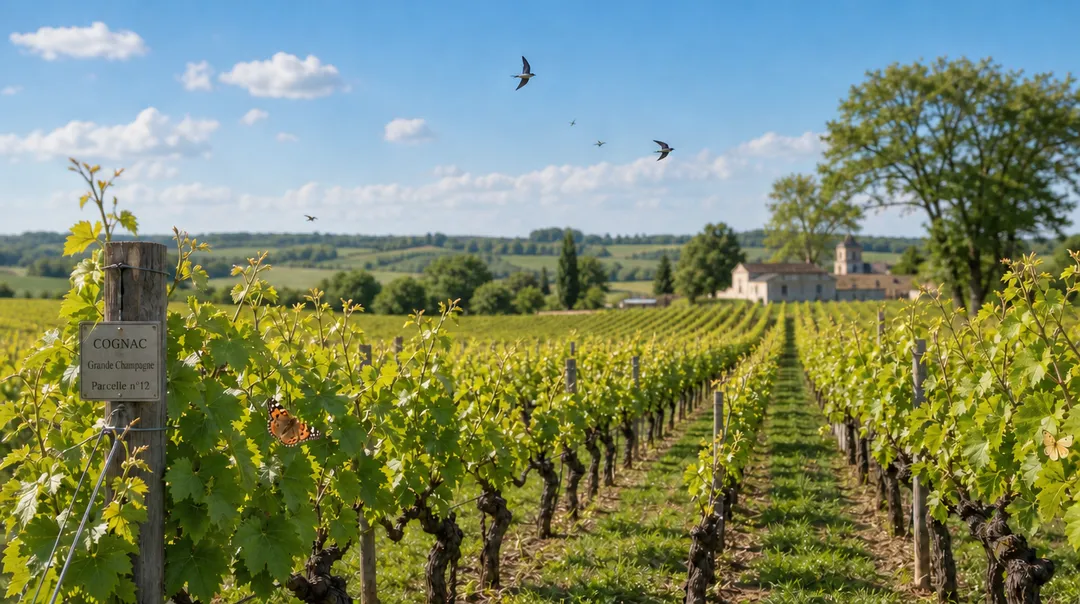
Plot No. 12 in spring
March — May
Early Learning

Spring

Soil Awakening · Initial Observations

The sap revives the vineyard, the soil comes to life and biodiversity flourishes once more. Initial observations of the plot set the tone for the whole year ahead.

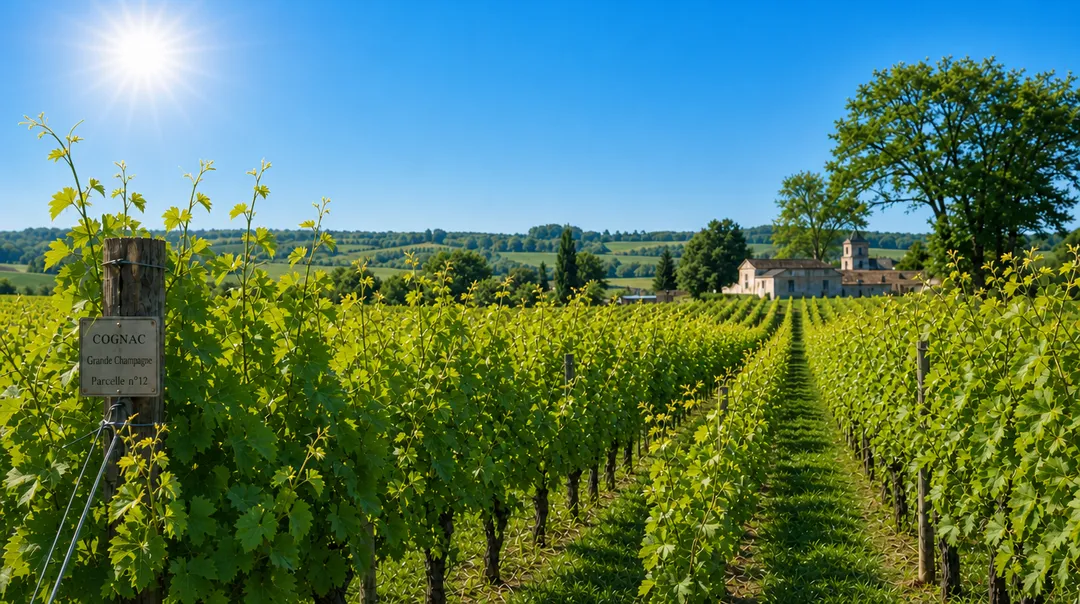
Plot No. 12 in summer
June — August
Vitality

Summer

Foliage · Established biodiversity

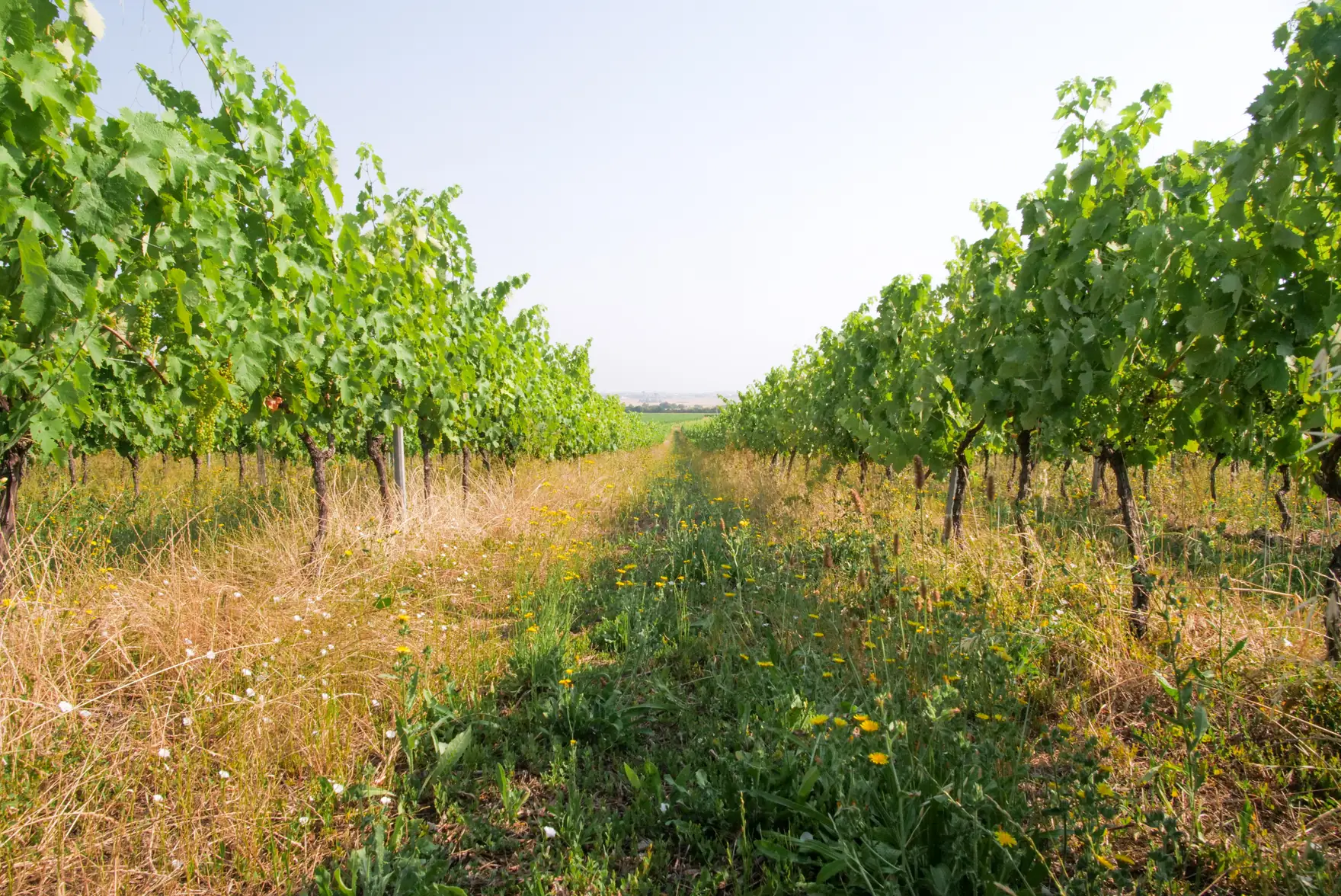
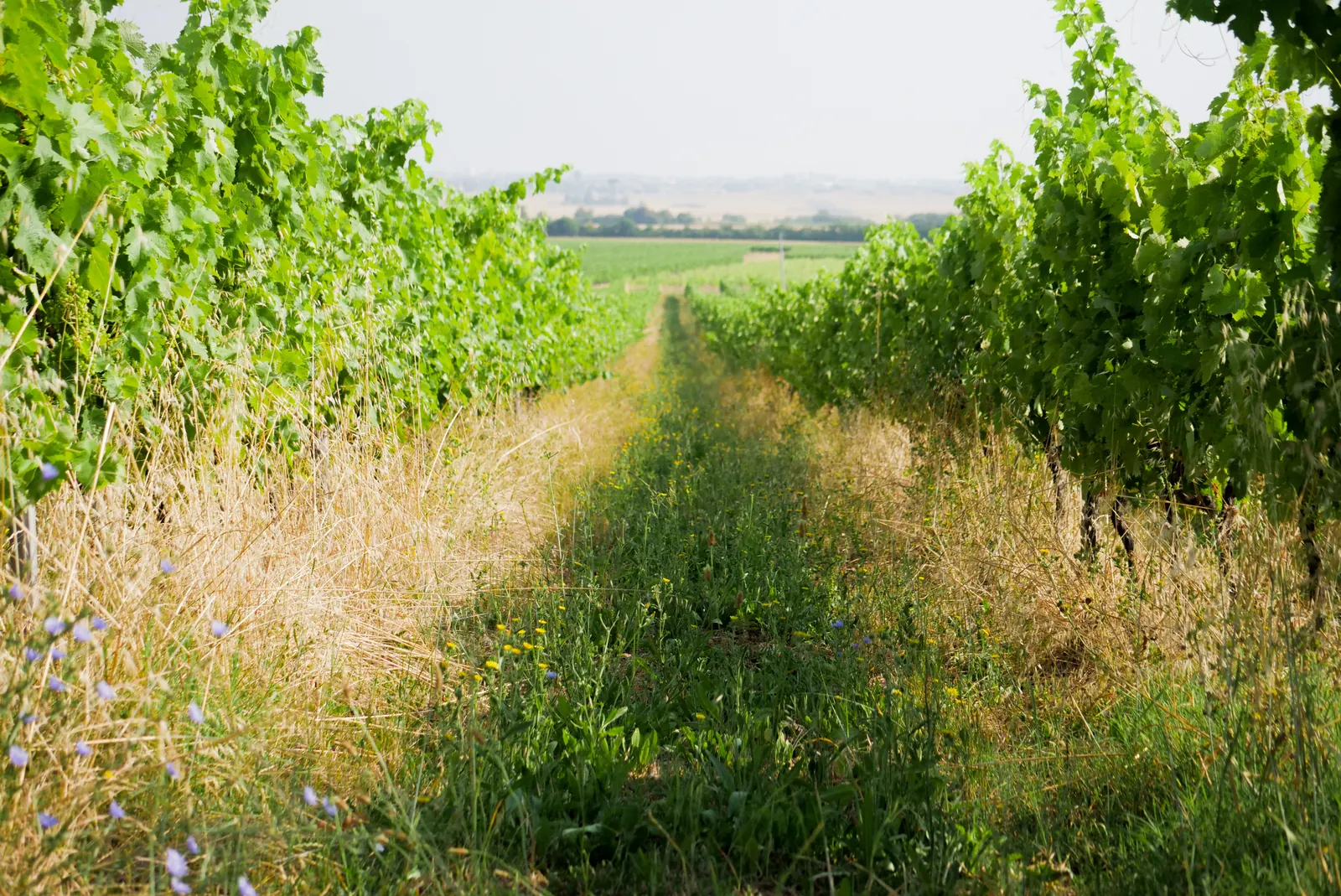
The foliage is coming into balance, life is taking hold between the rows, and the vines are expressing their full vitality beneath the high sun.

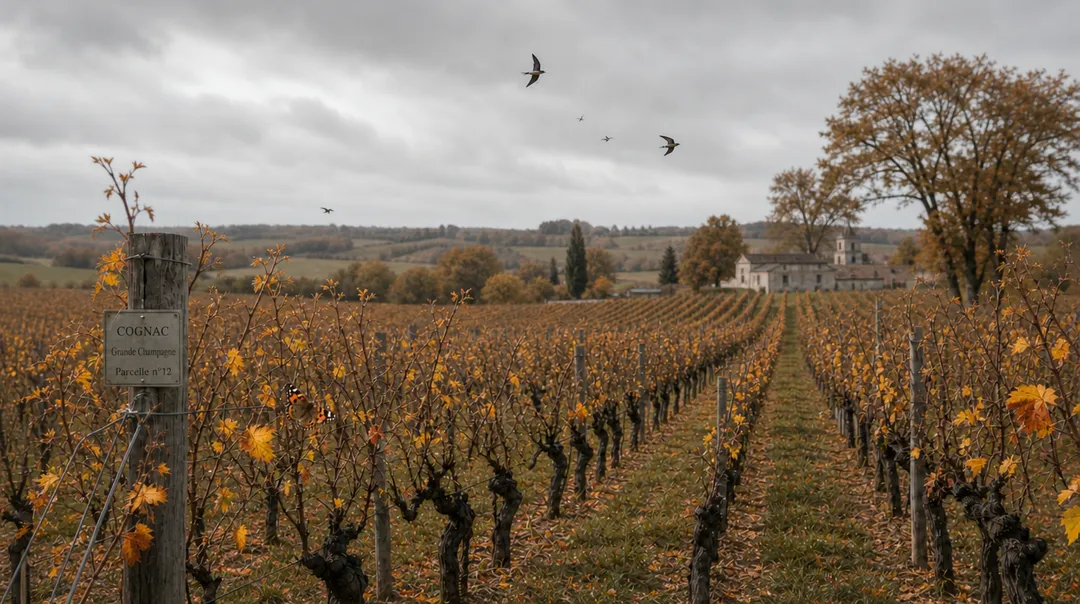
Plot No. 12 in autumn
Sept. – Nov.
Grape Harvest

Autumn

Harvest · The Year of the Place

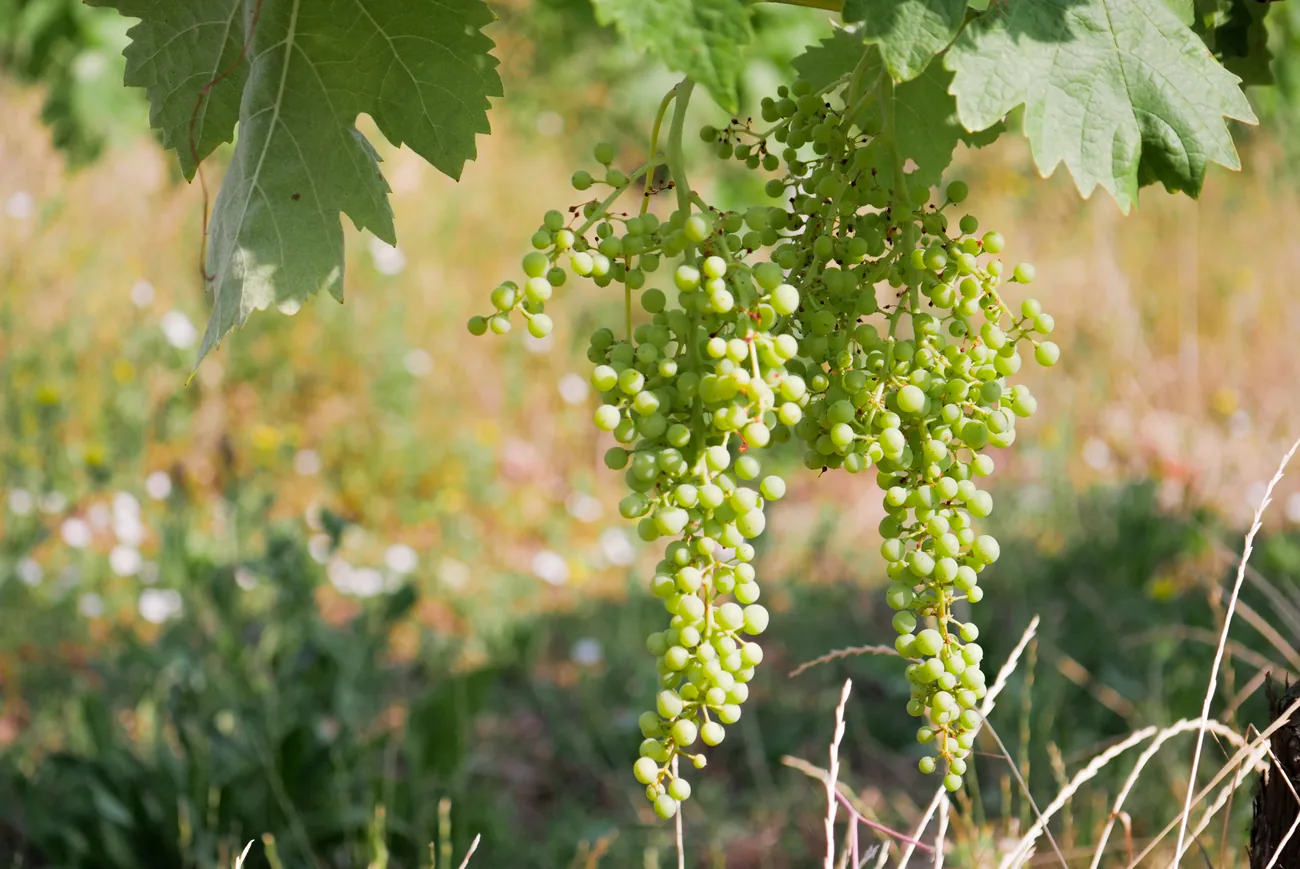
The harvest reflects the character of the terroir: the climate, the living soil, the care and patience are evident in every bunch, right down to the very last grape.

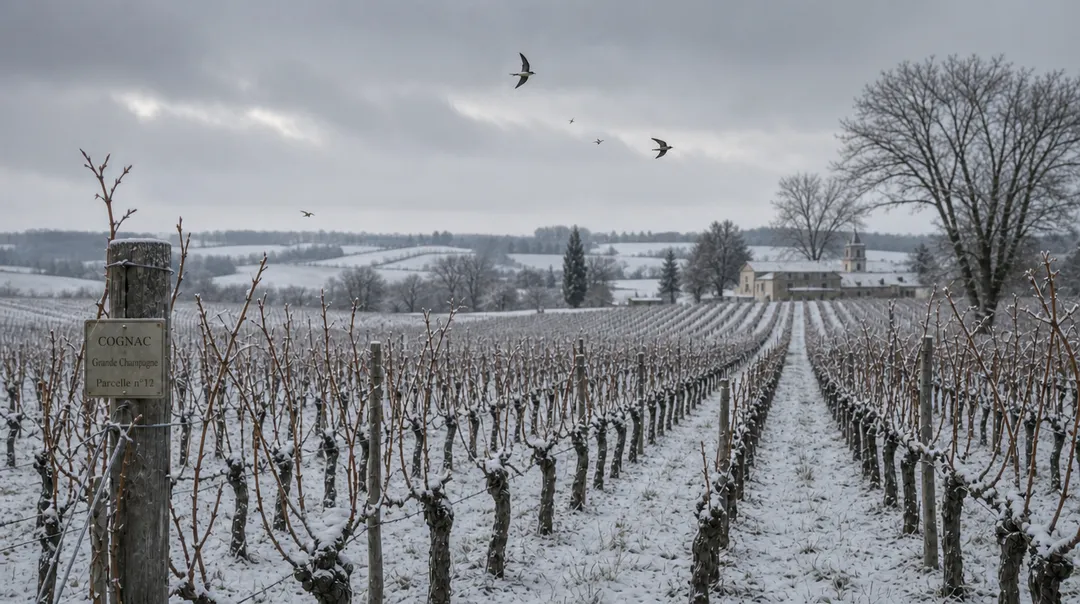
Plot No. 12 in winter
Dec. – Feb.
The wine cellar

Winter

Vineyard rest period · Distillation, ageing

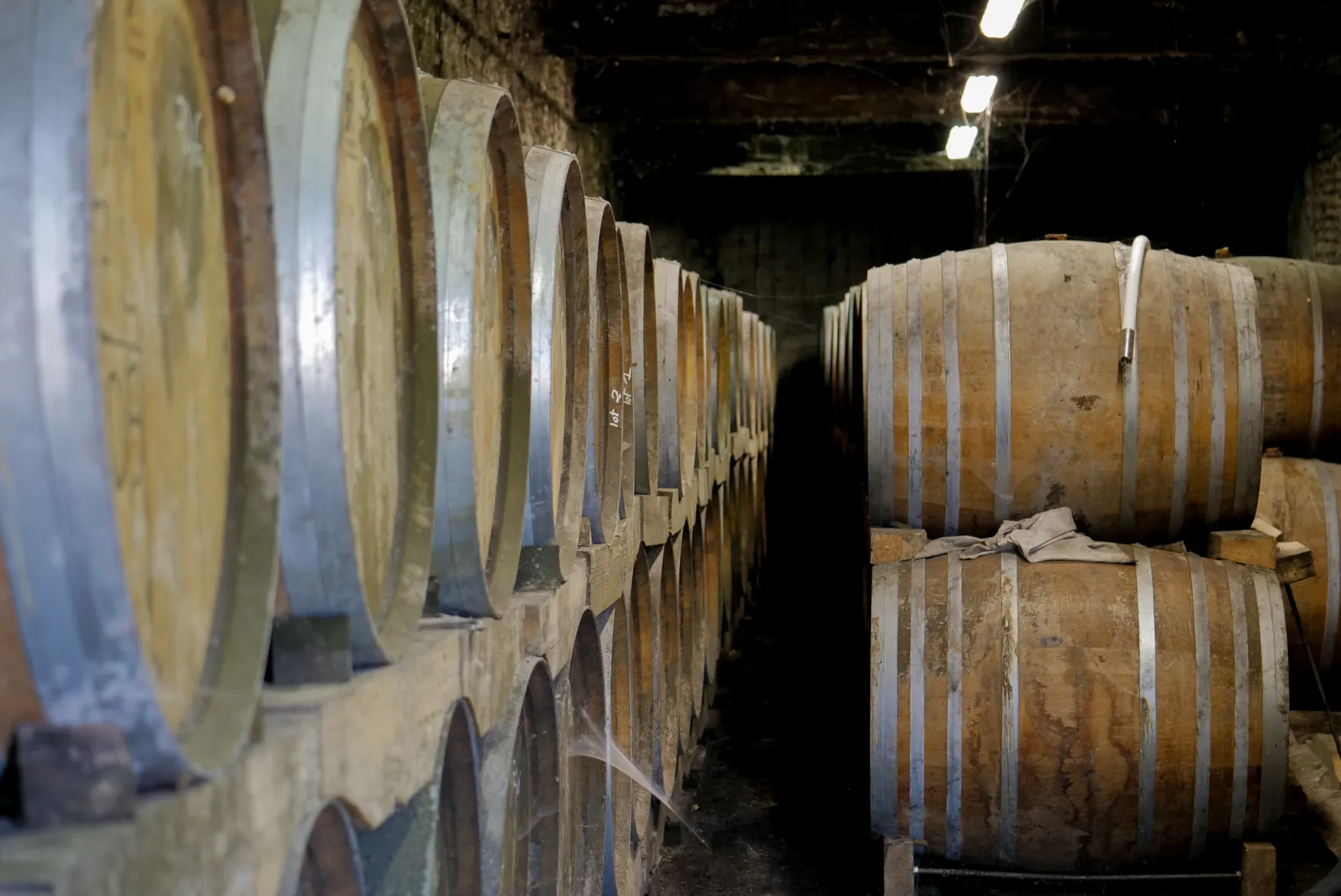
The vines are resting. In the cellar, distillation and ageing patiently bring out the terroir, right through to the bottle.

Four seasons, one Earth.

A bright, rolling landscape
A view of the site

Producing here, to stay true to the place.

Choosing Holon is a choice of harmony: cultivating, transforming and ageing all within the same terroir, to maintain continuity between the life of the soil, the vine and the bottle. Our Charente grape varieties, carefully distilled, produce elegant, complex Cognacs and liqueurs with a long finish.

Ugni BlancColombardSémillonMontilsFolle Blanche
The Holon Homéospirits

The location of our vineyards:
the origin of our wines.

If you want to understand our creations, start with this region: it sets the tone.