Our Genté vineyard presented at the World Health Congress in Prague
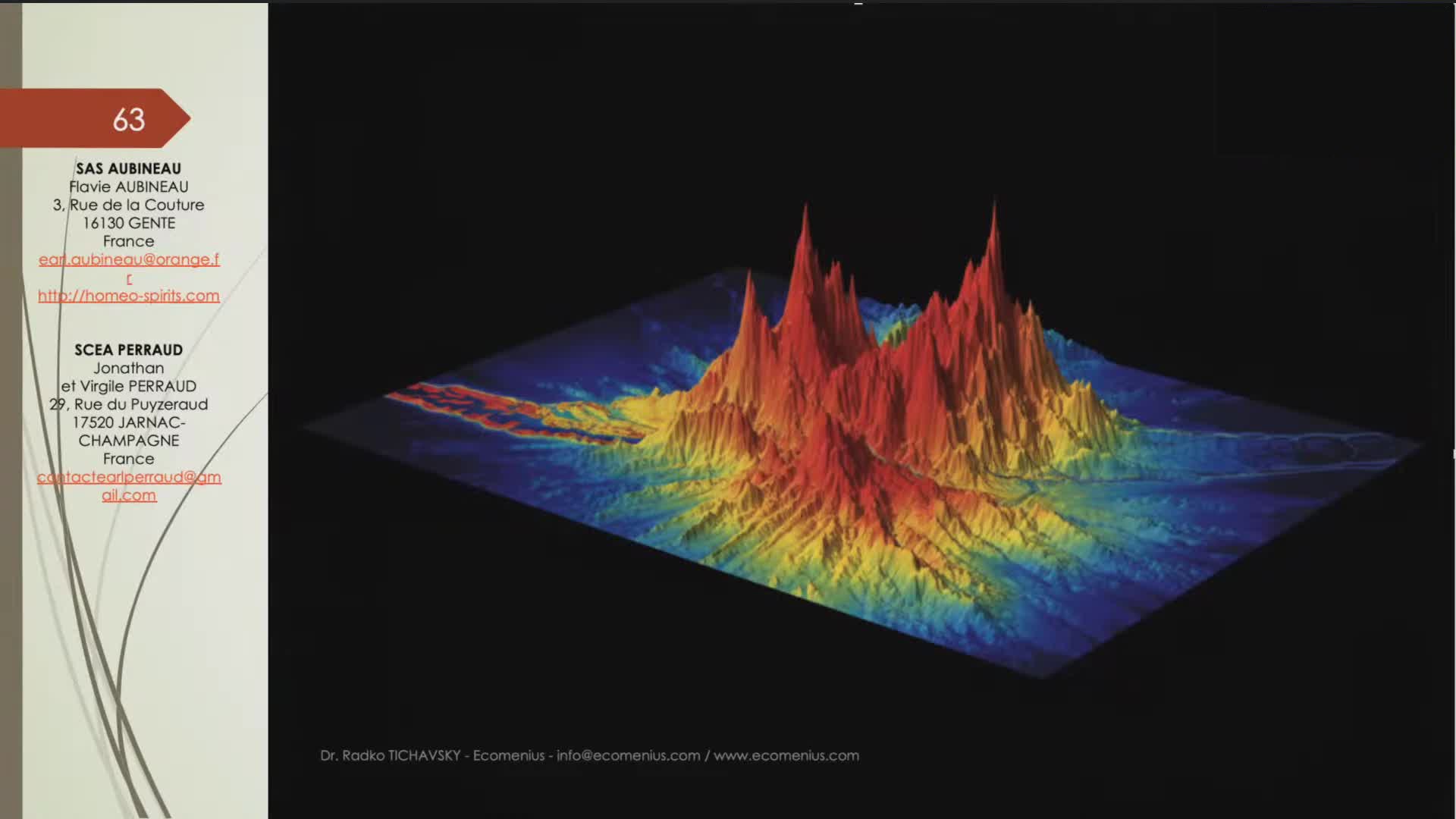
From 3 to 5 October 2025, the 4th World Health Congress in Prague brought together doctors and researchers from around the world. Among the examples presented by Professor Radko Tichavsky: our vines in Genté, their spiders, and a drop of our Cognac under the microscope. His message: our health begins in the soil.
From 3 to 5 October 2025, Prague hosted the 4th World Health Congress. Doctors, researchers and practitioners from all over the world discussed prevention, nutrition and integrative medicine. At the heart of this programme dedicated to human health, our vines in Genté and our Cognac were shown as an example. This was during the talk given by Professor Radko Tichavsky, whose method has guided our work since 2022. His message: our health begins in the soil.
Key points
- Our vineyard was featured at the 4th World Health Congress, in Prague, from 3 to 5 October 2025, among the examples presented by Radko Tichavsky.
- His message: health begins in the field. A living soil grows vigorous plants, which produce quality fruit, which contributes to the health of those who eat it.
- He measures this vitality in a single drop, by observing the patterns it forms as it dries. His measurements show clear differences between conventional farming and his method, in the soil as well as in the plants.
- In Genté, he showed our spiders, alive in the rows, and a drop of our Cognac wine and our grape juices, which forms the shape of a bird in flight under the microscope.
A Grande Champagne vineyard at a health congress
Seeing our rows projected in front of a congress of doctors and researchers was a source of pride and recognition for us. It is no coincidence: if agriculture has a place at a health congress, it is because what we eat and drink comes first from the earth. The way we farm it matters.
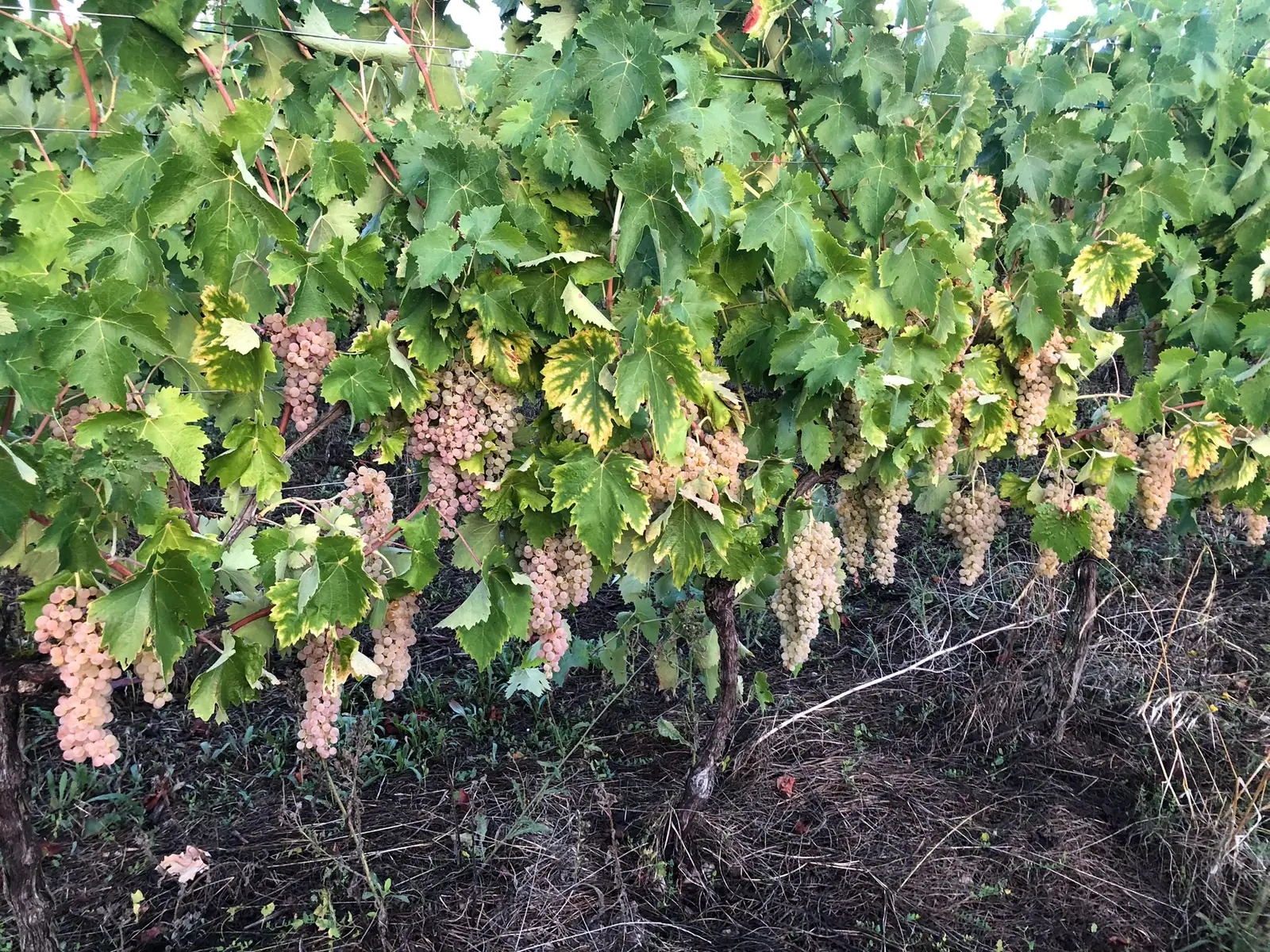
In the part of his talk devoted to examples from the field, Radko Tichavsky showed two images from our estate:
- our vines, with spiders very much alive in the rows. No chemical product has killed them: they are the sign of a working ecosystem. The spider has in fact become the emblem of our estate. (A spider has eight eyes; a single application of copper, sulphur or pesticides burns its eyes, leaving it blind and unable to feed.)
- our Cognac wine and our grape juices, observed under the microscope. Once dried, a drop forms the shape of a bird in flight, a rich and organised structure.
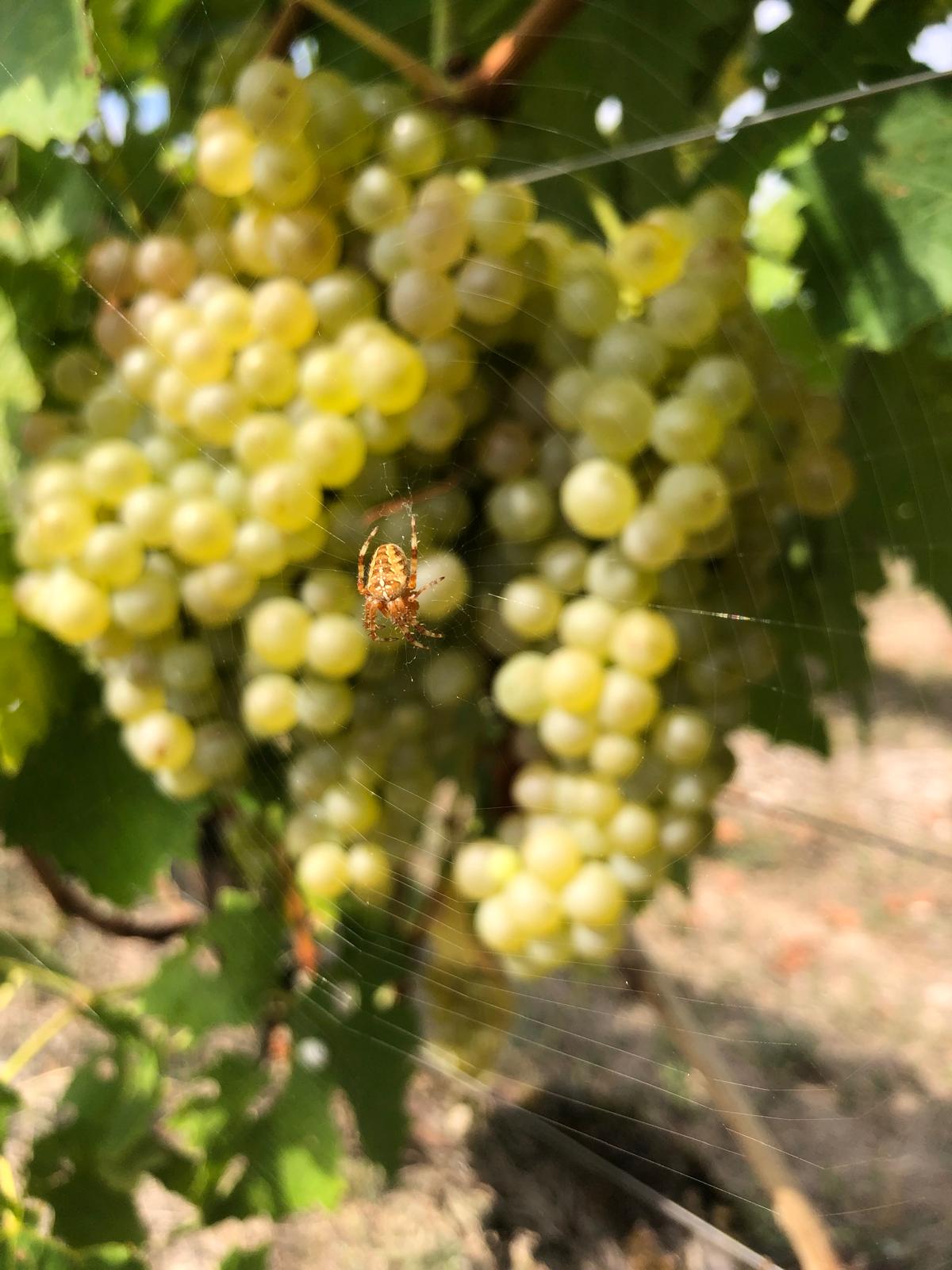
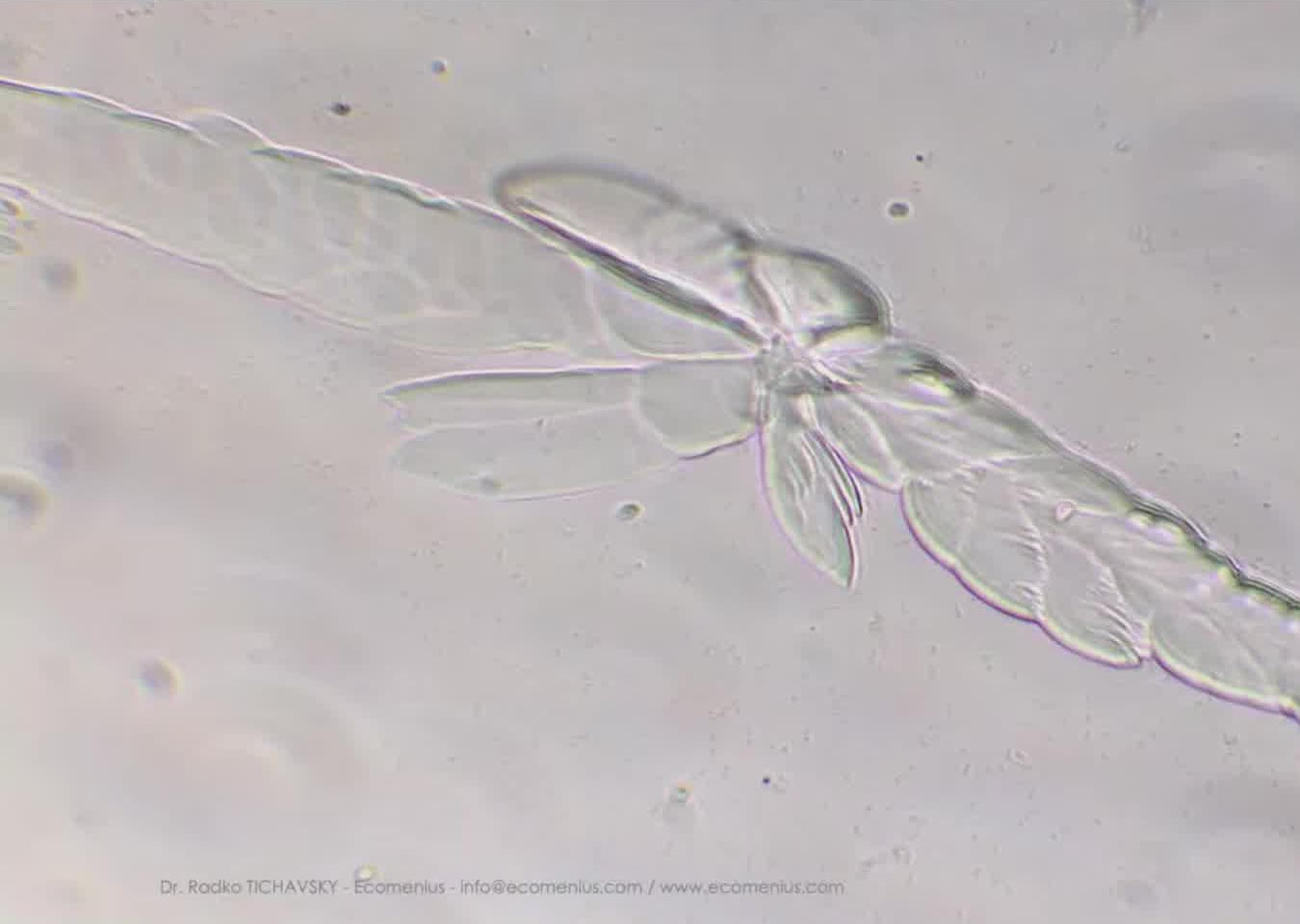
He also presented an original experiment: the saliva of a wine lover, analysed before and after tasting a French wine, showed a more complex structure after the tasting.
"Health begins in the field"
Radko Tichavsky's message comes down to one simple idea: the soil is the true foundation of a society's health. A living, well-structured soil, rich in micro-organisms, produces plants that provide far more than calories. Conversely, he explains, a degraded soil produces weakened plants, more vulnerable to disease and poorer in compounds that are useful in our diet.
He describes a virtuous circle: a living soil feeds healthy plants; healthy plants produce quality fruit; quality fruit contributes to the health of those who eat it. And a healthy population, in turn, has every interest in investing in sustainable agriculture.
Reading vitality in a drop
To make this link visible, Radko Tichavsky uses drop evaporation crystallisation. A drop of extract from a plant, seed, soil, wine or Cognac is placed on a controlled surface and left to dry, then the patterns it has formed are observed under the microscope.
Their complexity is measured by a value called the fractal dimension, between 1 and 2. The closer it gets to 2, the richer and more organised the structure. For him, this is the sign of greater vitality and better resistance to stress, especially climate stress.
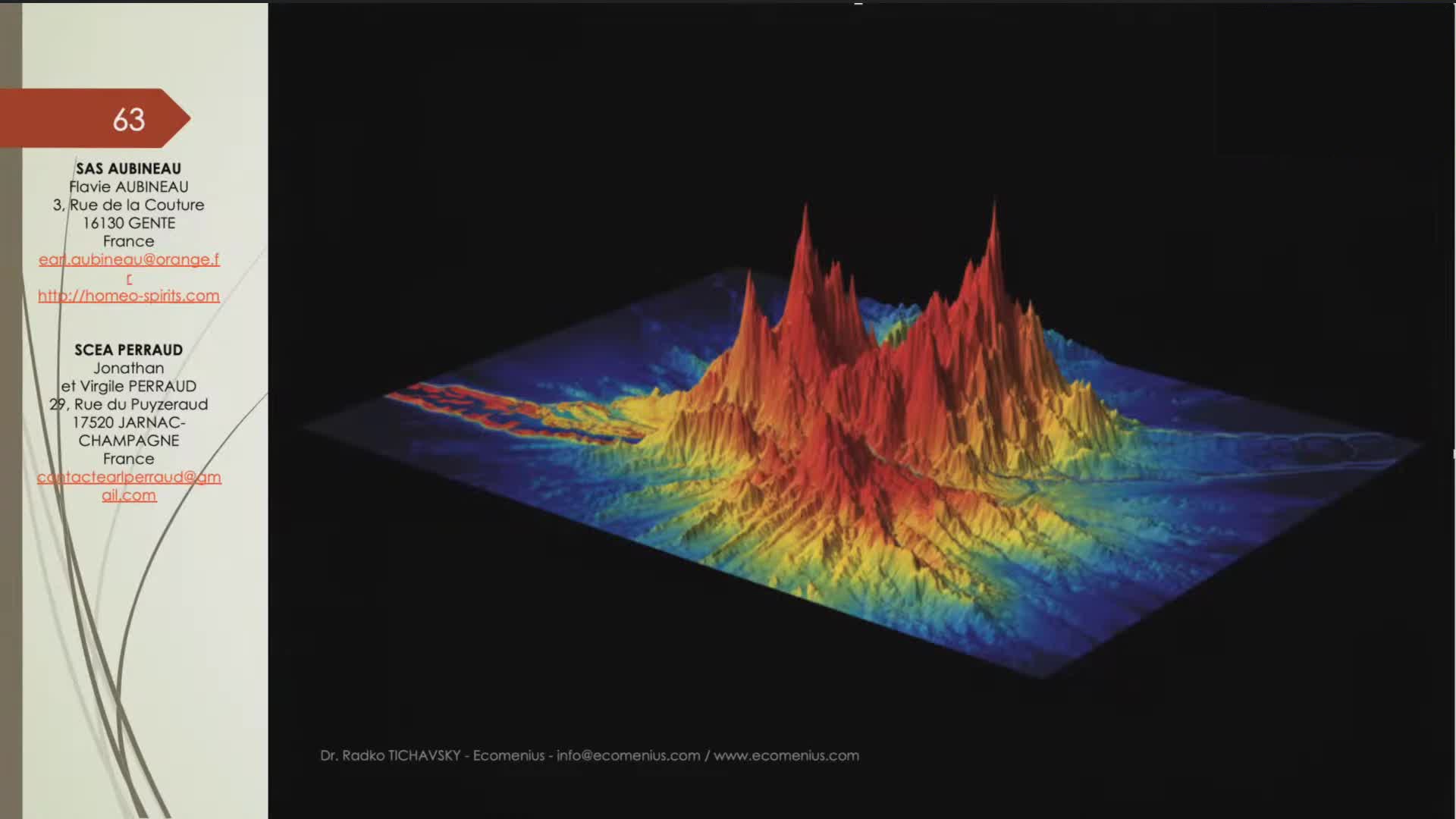
Some of the measurements presented in Prague:
| Sample | Conventional farming | With his method |
|---|---|---|
| Pepper seeds | about 1.70 | 1.92 |
| Wheat extract | 1.61 | 1.85 |
| Soil | 1.66 | 1.98 |
On a scale that only runs from 1 to 2, these differences are significant. For the soil, Radko Tichavsky sees very concrete consequences: a better-structured soil holds water instead of letting it run off, and supports richer microbial life.
He added other examples: three hectares of peppers grown in Spain using only his method, with fruits weighing around 300 grams, and soybean crops in Burgundy, with better germination.
Who is Radko Tichavsky?
Born in the Czech Republic and based in Mexico, Radko Tichavsky has spent more than thirty years applying homeopathy to agriculture and plant care. With his wife, he founded the Comenius Institute, dedicated to a holistic approach to sustainable agriculture, and then Ecomenius, where he is now academic director. He is the author of numerous books and advises agricultural projects in several countries. In Prague, he spoke remotely from Mexico.
What we take away from it
We are neither doctors nor researchers. We are winegrowers. But this talk put words, and images, to what we observe every day in our rows: when you take care of the soil, everything else follows. The spiders come back, a whole ecosystem rebuilds itself, the vine defends itself better, and the grapes we harvest reflect it.
As Olivier Hamant, a researcher at INRAE, writes in Antidote au culte de la performance (2023), living things rely first on robustness, that is slowness, redundancy and diversity, whereas our societies constantly pursue performance, often at the expense of their balance. This is exactly the bet we are making in Genté: guiding the vine rather than forcing it.
And that is what we put into every bottle.
Find out more
- Watch Radko Tichavsky's talk, from 8 h 25 min 56 s (with English interpretation)
- His page on the congress website
- Our method, organic and biodynamic farming: what are the differences?
- Visit the cellar: come and see our rows and our spiders, by appointment, Tuesday to Saturday.
The results quoted are those presented by Radko Tichavsky during his talk.
Alcohol abuse is dangerous for your health. Please drink responsibly.
 Flavie & Virgile · Domaine de Genté